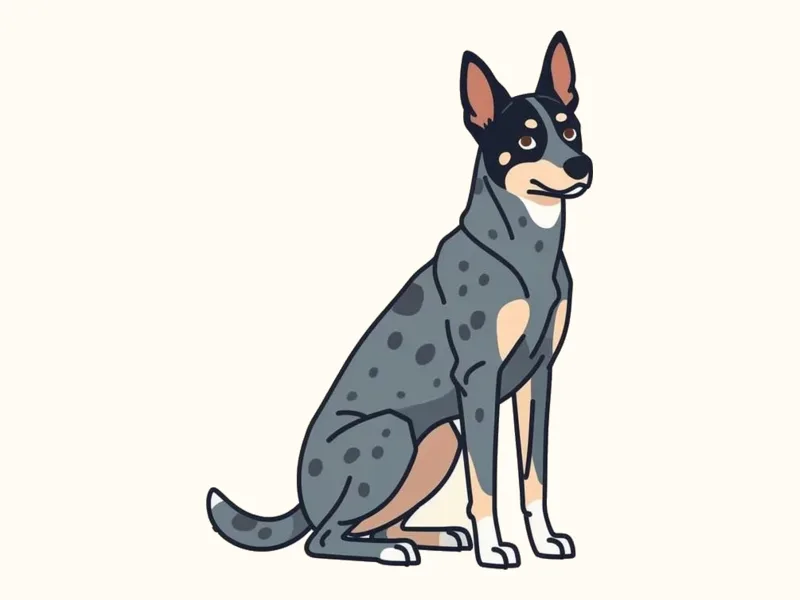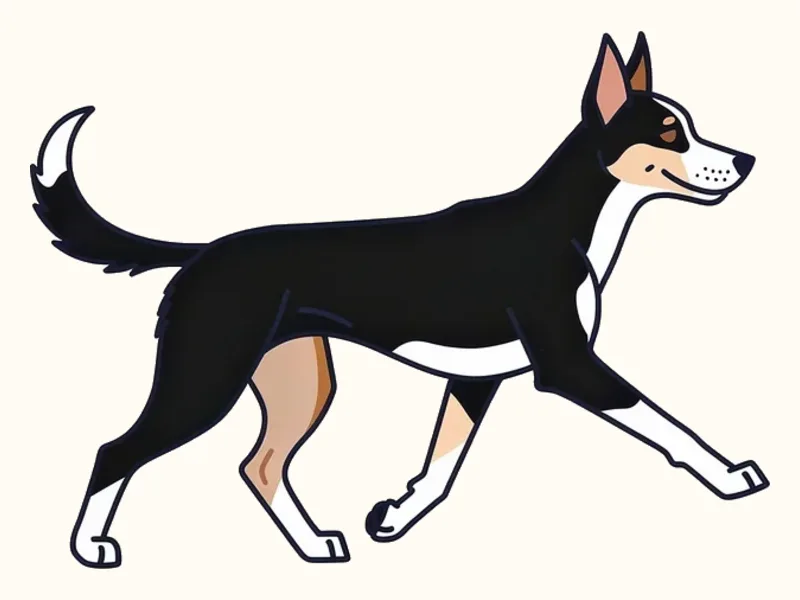
Ranchers in nineteenth-century Australia had a problem: the herding dogs they had brought from Britain could not cope with the heat, the distances, or the half-wild cattle on huge unfenced runs. Stockmen solved it by crossing their working dogs with the dingo and with collie types, and later added other breeds such as the Dalmatian and the Kelpie. The result was a compact, tough dog that moved stock by nipping at their heels, which is why it is still widely called the Blue Heeler, Red Heeler or Queensland Heeler. The AKC recognized the breed in 1980.
The Australian Cattle Dog is built for work and wants it. A walk around the block will not do. Plan on an hour or more of real exertion most days, such as running alongside you, hiking, or herding, plus something to think about: obedience, agility, flyball, nose work or herding trials. Given too little to do, they turn their intelligence to chewing, digging, escaping or herding the household. A cattle dog that has had a good day’s work is usually settled and pleasant indoors.
This breed is devoted to its own people. It is naturally watchful and wary of strangers, quick to notice anything unusual and protective of home, which is why early, steady socialization with many people, places and dogs matters so much. The heeling instinct is real. Puppies and young dogs may nip at running children, bikes and ankles, and they need to be taught early that people are not cattle. In a home with older children who understand the dog, a well-raised ACD can be a superb partner, but it is not an automatic fit with toddlers. Some are bossy with other dogs, and small pets can trigger a strong chase response.
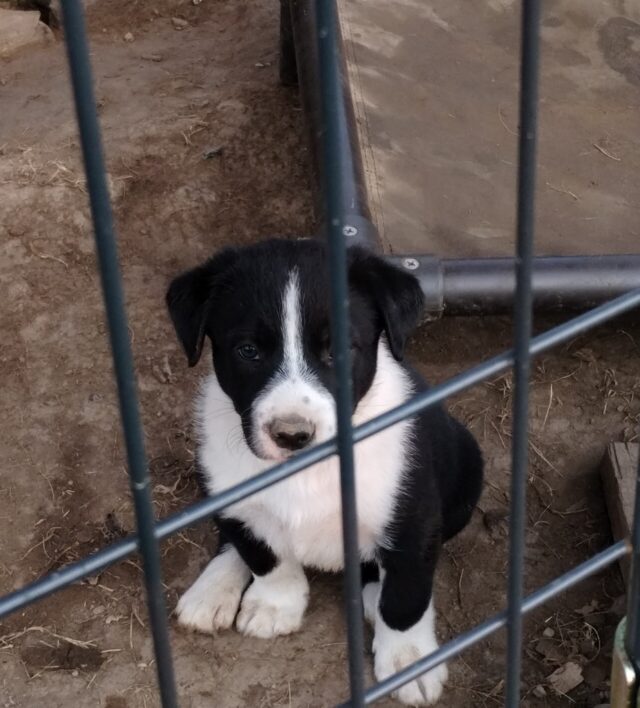
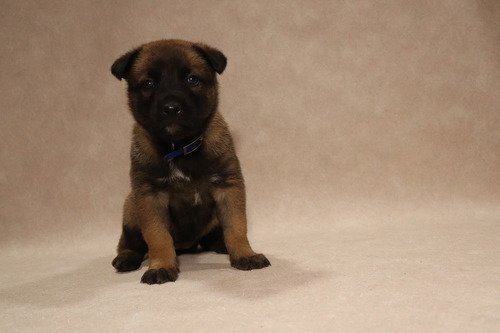
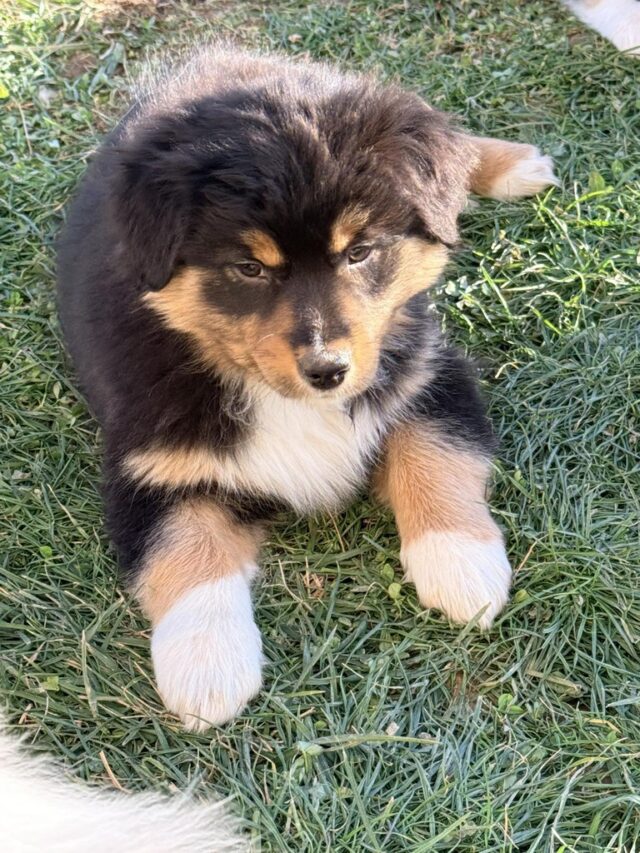
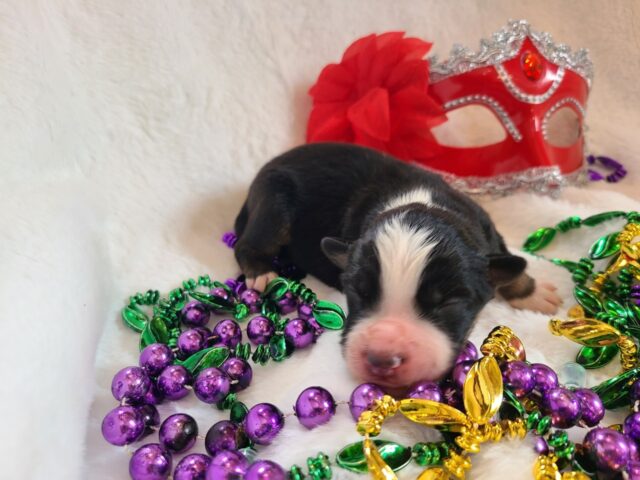
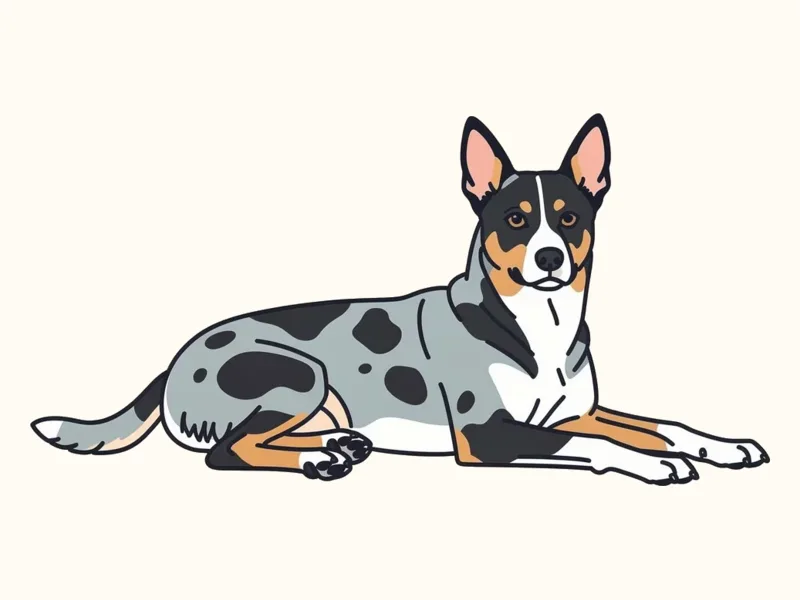
Puppies are born white and develop their color over the first weeks: either blue, which can be speckled or mottled, or red speckle, often with darker or tan markings. The short double coat sheds dirt and water well and has little odor. It needs only a weekly brush for most of the year, but the undercoat blows once or twice a year, and during those weeks expect a lot of hair and frequent brushing.
The breed is hardy and often long-lived, with the AKC giving 12 to 16 years. Inherited deafness occurs in the breed, and so do inherited eye diseases. The parent club’s recommended tests are hip and elbow evaluations, an eye exam by a veterinary ophthalmologist, BAER hearing testing, and DNA tests for progressive retinal atrophy (prcd-PRA) and primary lens luxation. Ask the breeder for the parents’ results on all of these and whether the puppy itself has had a BAER test, since a puppy can be deaf in one ear without showing it.
An ACD suits an active owner who wants a working partner and will put real time into training and exercise every day: ranchers, runners, hikers and dog-sport people. It is a poor fit for a busy household that wants a dog to fit around its schedule, or for anyone hoping for an easygoing dog that loves every visitor.