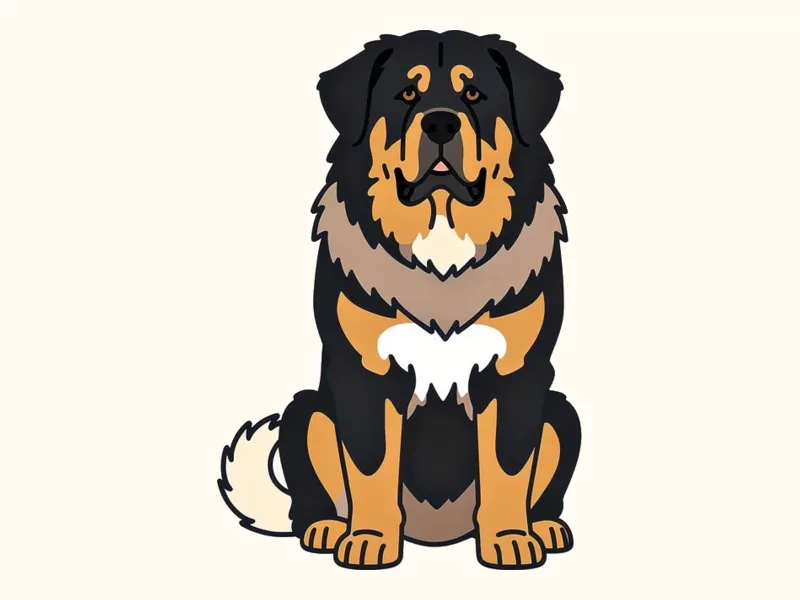
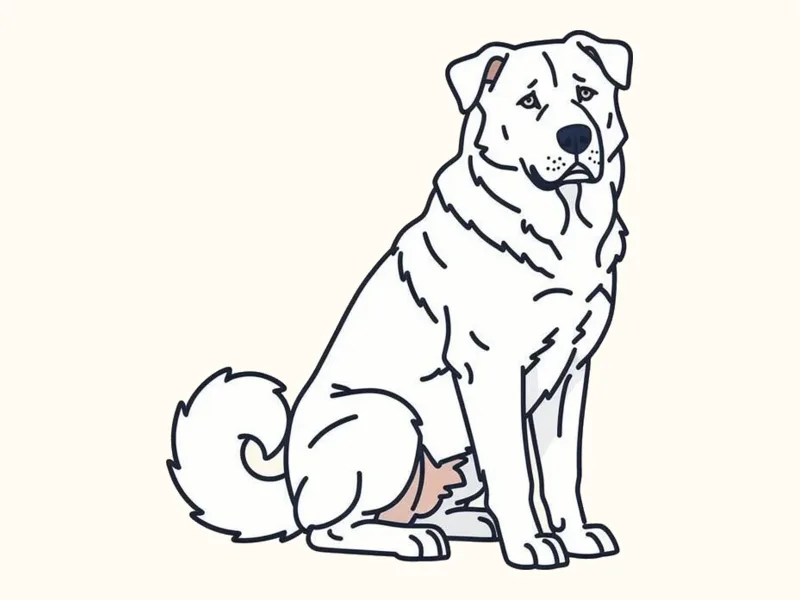
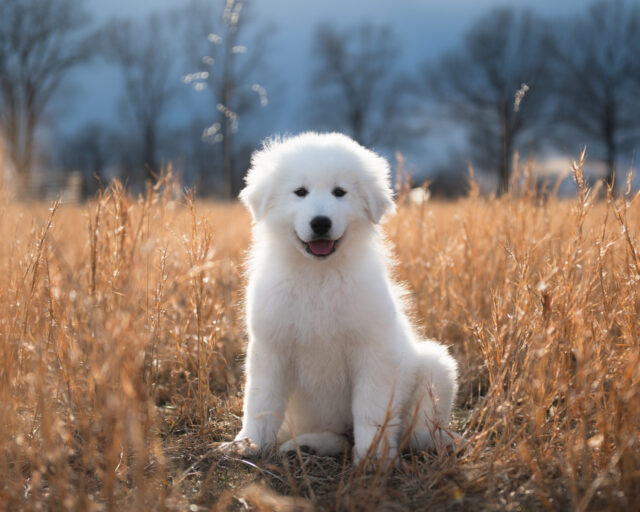
The Caucasian Shepherd Dog comes from the Caucasus mountains and the steppes of southern Russia, where shepherds and villagers kept big dogs to protect flocks, herds and homes from wolves and other predators. Organized breeding began in the Soviet Union in the 1920s, and selection favored strength, self-confidence, keen hearing and a dense coat that sheds water. The FCI standard sums up the job in two words: guard and watchdog.
That is still what this dog is. It is calm and devoted with its own family, including pets it has grown up with, and deeply suspicious of everyone else. The UKC standard describes a dog that reacts to real or imagined threats with startling speed and gives warning barks and growls at any change around it, especially at night. Visitors will not simply walk in, and the AKC warns that having people over can become difficult. The breed matures slowly, has a mind of its own and is hard to train for formal obedience. Patient socialization from puppyhood is what produces a mature dog with sound judgment.
Size alone rules out casual ownership. The FCI standard asks for males of at least 68 cm (about 27 inches) and 50 kg (110 pounds), with larger dogs accepted, so many adults are much heavier. Fencing has to be tall and solid, and walks happen on a leash. Indoors these dogs are usually quiet, and they need steady walking rather than hard running, though they have plenty of stamina.
The coat ranges from short to very long, with a thick undercoat that sheds heavily, and long-coated dogs need brushing most days. They also drool more than many breeds. The AKC gives a life expectancy of 10 to 12 years.
This is a breed for experienced owners with land, secure fencing and a quiet household, not for a family with a steady stream of children’s friends coming through the gate. The AKC lists no breed-specific health tests, so ask a breeder what screening the parents have had, and insist on meeting the mother to see how she handles a stranger.