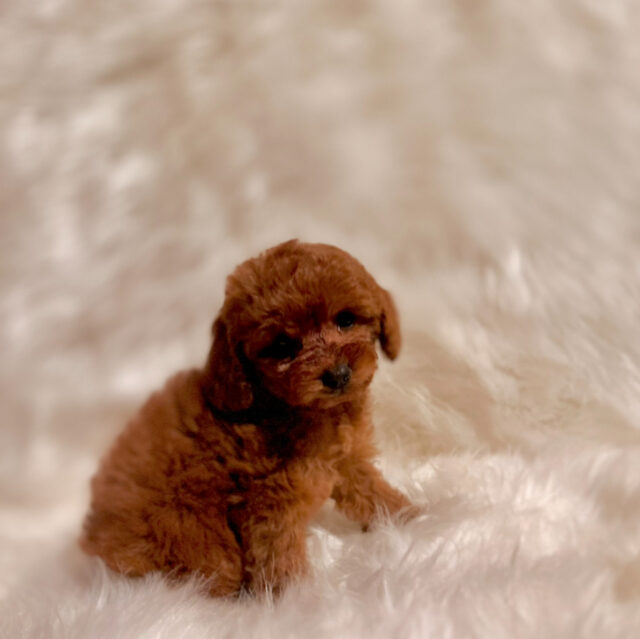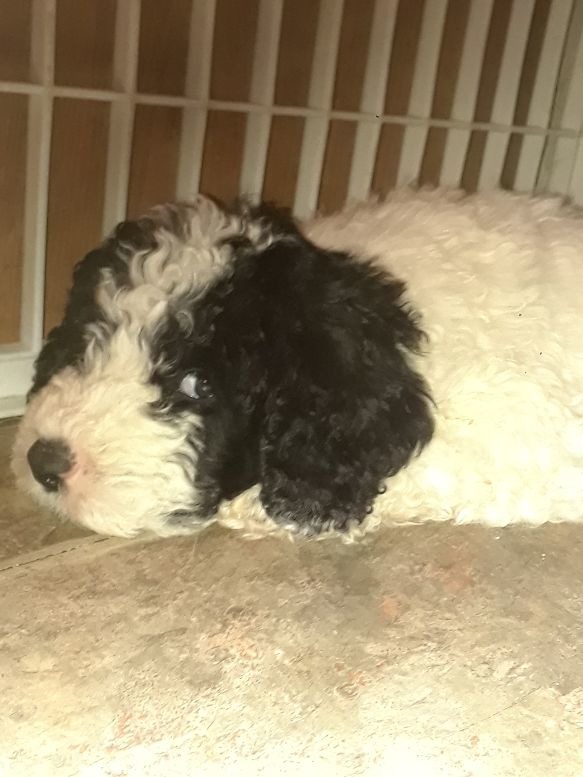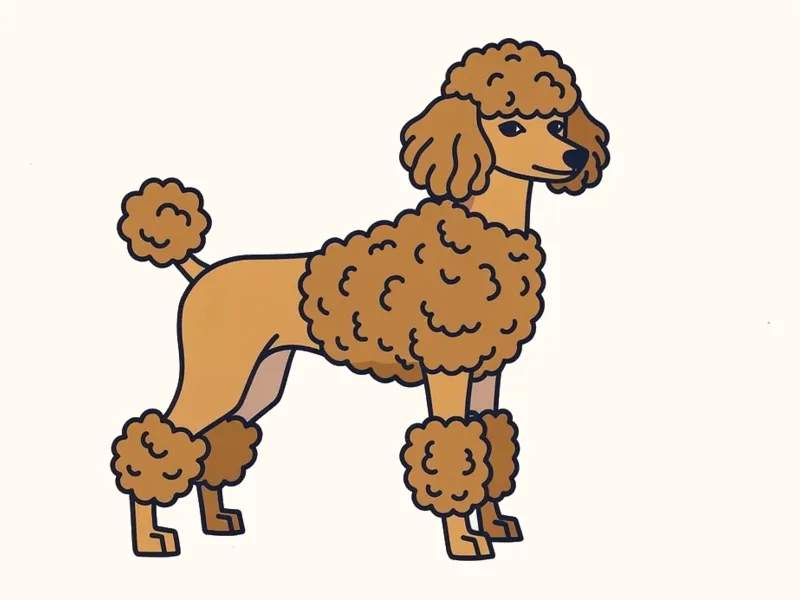
A Miniature Poodle is a Poodle in every respect except height: the AKC judges all three varieties by a single standard, and a Miniature stands over 10 and up to 15 inches at the shoulder, usually weighing 10 to 15 pounds. The breed began as a duck retriever in Germany, took its English name from a German word for splashing, and became so popular in France that it is now that country’s national dog. The Miniature was bred down from the Standard and found favor with the French nobility, in the circus ring and as a truffle hunter.
It is an active, playful dog that enjoys company and usually greets visitors happily. The AKC gives the variety top marks for affection, friendliness toward strangers and patience with young children, and at this size it is sturdy enough for family life without being too big for a small home. It is also alert and fairly vocal, so expect a bark at the door.
Intelligence is the defining trait. Miniatures learn fast, enjoy obedience, agility, tracking and tricks, and are even eligible for AKC retriever and spaniel hunt tests. They need daily exercise and something to think about; a brisk walk plus fetch, swimming or a training game suits most of them. A bored Poodle tends to invent its own projects.
The curly coat sheds very little, which is why the breed is a frequent choice for people with allergies, though no dog is entirely allergen-free. It grows continuously and mats close to the skin unless brushed thoroughly, so most pet owners keep a short clip and book a groomer every four to six weeks.
Kneecap dislocation and Legg-Calve-Perthes disease, a hip condition, are more common in Miniatures and Toys than in Standards, and progressive retinal atrophy, cataracts, epilepsy and immune-mediated disorders occur across the breed. The national breed club recommends a patella evaluation, hip evaluation, eye exam by a veterinary ophthalmologist and a DNA test for PRA (prcd) for breeding Miniatures, so ask for all four. The AKC puts life expectancy at 10 to 18 years.