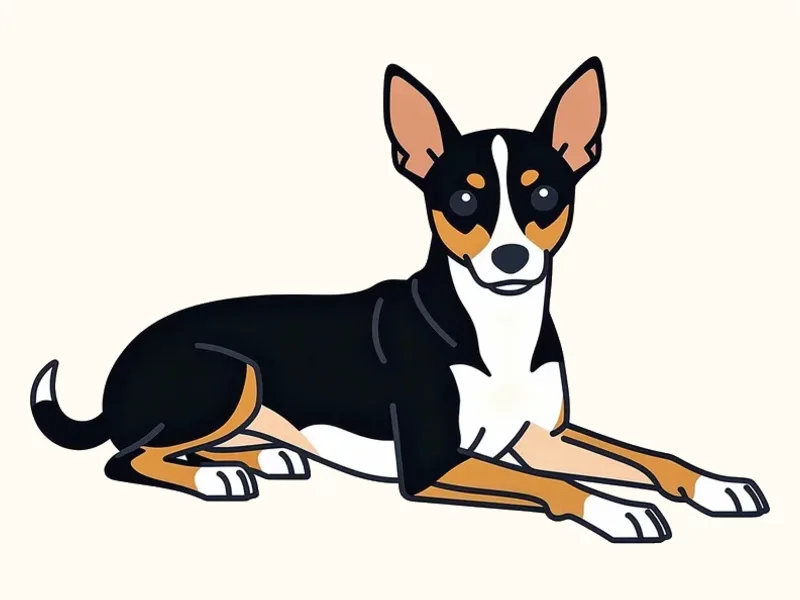
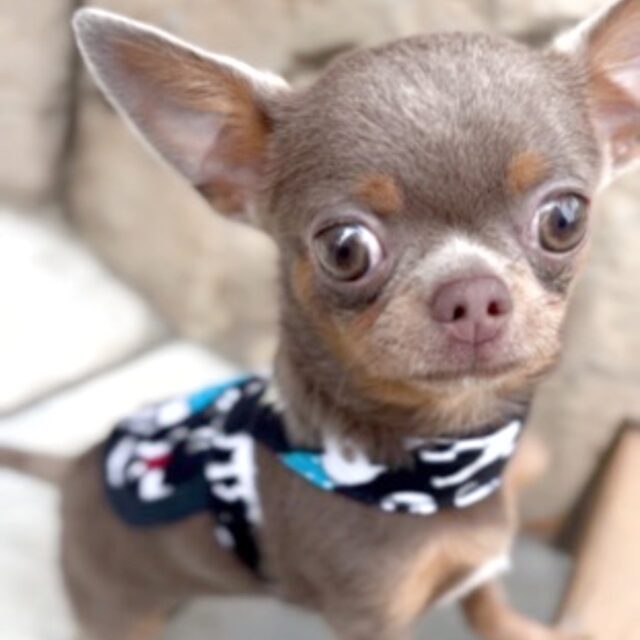
Owners of a Miniature Pinscher tend to describe the dog in terms usually saved for much bigger breeds. It stands no more than 12.5 inches at the shoulder and weighs 8 to 10 pounds, yet it carries itself with complete self-assurance and moves with a high-stepping, prancing gait the breed standard compares to a hackney horse. Fanciers call it the King of Toys, and the nickname is about attitude as much as looks.
The Min Pin is a German breed and not a scaled-down Doberman Pinscher, despite the resemblance. Breed historians link it to small German pinschers, with Dachshund and Italian Greyhound often named as likely contributors. Germany’s Pinscher Klub wrote the first standard in 1895, the AKC accepted the breed in 1925, and the Miniature Pinscher Club of America followed in 1929. Its past as a vermin catcher still shows in its alertness and drive.
At home this is an affectionate, busy dog that wants to be in the middle of everything. It is a keen watchdog and a frequent barker; the AKC gives it top marks for both, so neighbors in a shared building will hear about every delivery. It tends to be bold with other dogs, including far larger ones, and its prey instinct makes small pets such as hamsters a poor match. Min Pins can be independent and will test house rules, so consistent, reward-based training from puppyhood pays off. With children the picture is mixed. The dog itself is sturdy for its size, but it does not enjoy rough handling and may snap if squeezed or cornered, so it usually does best with older, calmer kids who know how to treat a small dog.
Energy is high. A couple of brisk walks a day plus games of fetch or chase indoors keep most Min Pins content, and many take to agility, rally and barn hunt. A bored one will invent its own entertainment. A dog this small and quick can slip through gaps in fencing or bolt through an open door, so check your yard carefully and teach everyone in the house to watch the door.
The short, hard coat needs only a weekly pass with a soft brush or hound glove. It does shed, moderately, but there is little to groom. What the coat does not do is keep the dog warm, so most Min Pins appreciate a sweater in cold weather. Brush the teeth often, since dental problems are common in toy breeds.
The breed is generally sound and often long-lived, with the AKC giving a life expectancy of 12 to 16 years. The parent club’s recommended test is a patella evaluation, as slipping kneecaps occur in the breed. Legg-Calve-Perthes disease, a hip condition of small dogs, is also a concern, and the AKC notes that responsible breeders also watch for eye problems, heart defects, thyroid disease and epilepsy. Ask a breeder for the parents’ OFA patella results and whether either line has produced Legg-Calve-Perthes. A Min Pin suits an active adult or family who likes a lively small dog with strong opinions, and is a poor choice for anyone wanting a quiet lapdog.